
Image
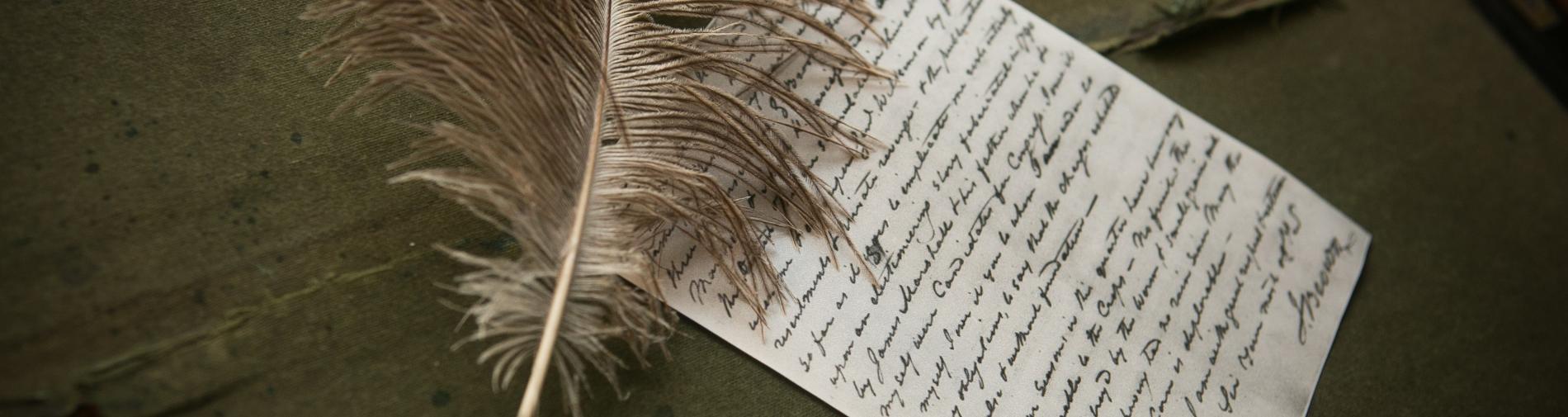

When I started working at LHHS almost three years ago, I was charged by our former director with finding the histories of our site that had been either forgotten or laid aside for too long. One of those histories was that of Sen.
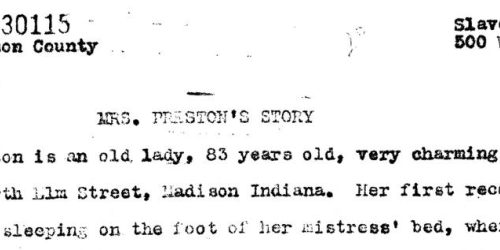
At the age of 83, Amanda Preston sat down in her home in Madison, Indiana and recounted her experiences of enslavement to the WPA.
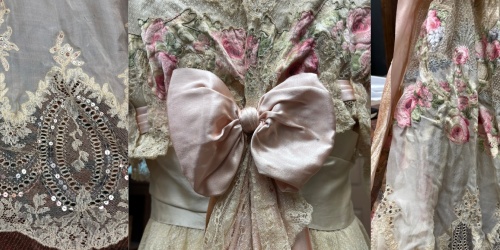
Out of the many dresses in Liberty Hall’s collection, there is none more intriguing than this cream chiffon and lace evening gown. Around the waist there is a pink satin sash with a pink sequin buckle at the front and a bow at the back.
Last week the Liberty Hall Book Club met to discuss Debra Magpie Earling's The Lost Journals of Sacajewea. The novel retells Sacajewea's story from her own point of view rather than that of Euro-American historians.
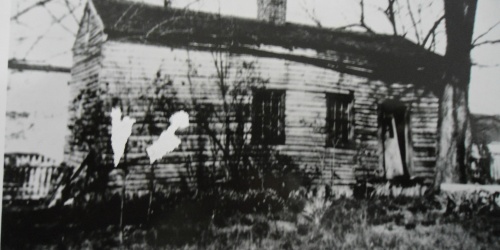
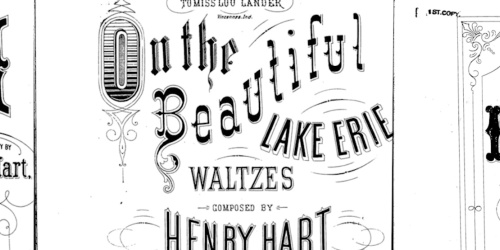
Frederick and Judy Hart lived the remainder of their lives in freedom in Lorain County, in northern Ohio.
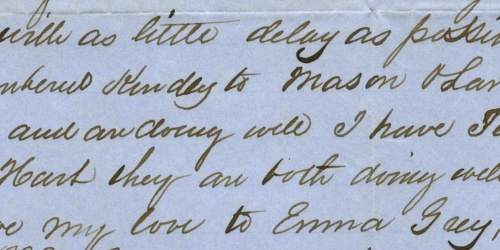
In 1840, U. S. Census records reflect that 23% of Kentucky’s population was enslaved. A decade later it decreased to 21.4%. In 1850 Franklin County had 634 enslavers with 3360 people enslaved.
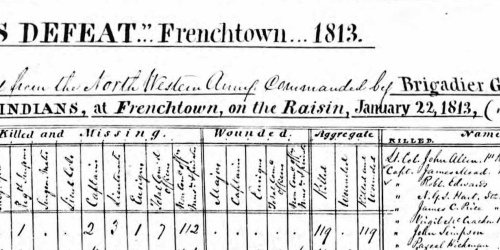
Why would a veteran of the War of 1812 be unlisted in military records, left out of history journals, and omitted from monuments and plaques?
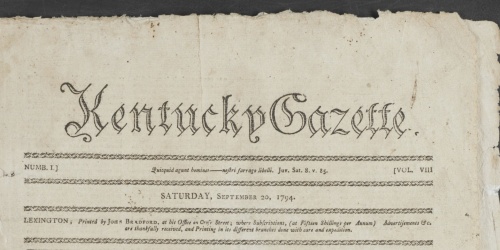
While Dolly spent her life of over 80 years enslaved to the Callaway family, her son Frederick Hart experienced a labyrinthine journey of enslavement to several interrelated families of prominent early Kentucky settlers.
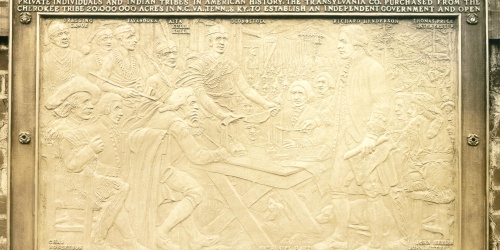
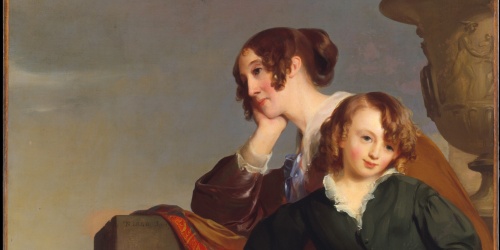
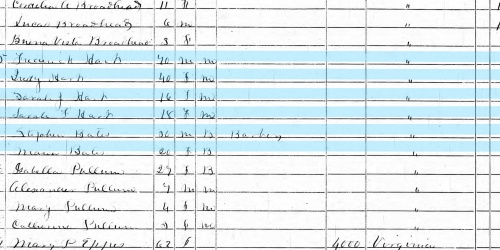
Liberty Hall welcomes guest writer Rachel Grimes for a series of blog posts entitled Tracing the Harts!
In 1860, Mason Brown enslaved about 31 people, and one was a little girl around five years old. Recently, we’ve discovered that her name was likely Amanda Preston née Nichols.
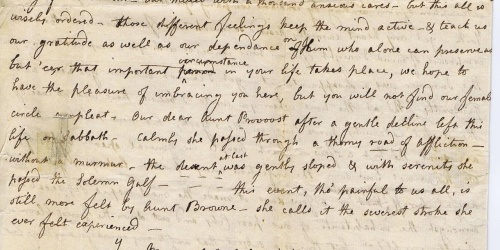
Here is the truth about Liberty Hall's Gray Lady... she was a very real person and beloved member of the Brown Family. An Aunt to Margaretta Brown, Margaretta Varick lived in the New York area until she came westward for a visit.
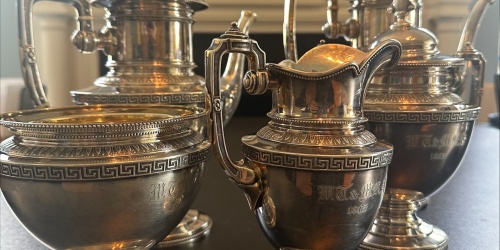
In late August of 1865, Mary Yoder Brown (granddaughter of John & Margaretta Brown) married Union Colonel William T. Scott, and one of the gifts they received was fine silver service set.

When the French formally joined the Americans as allies against the British in 1778, Kentuckians started adopting French names for their new counties, cities, and towns in honor of France, America’s oldest ally.
As February turned to March, I noticed downtown Frankfort shops changing window displays from red to green, chalkboard signs outside the bars offering Guinness pint specials, and sounds of Céilidh music playing on St. Clair Street.

Liberty Hall Historic Site owns eight Paul Sawyier paintings. Six of these were likely collected by Brown family members. Though not born in Frankfort, Paul Sawyier (1865-1917) and his family moved to the capital city in 1870.
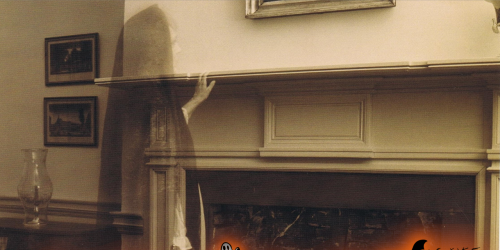
Throughout her nearly twenty-year tenure there, the Frances Coleman who took the photo, reported several mysterious incidents, which she herself witnessed or were experienced by visitors to the site.
By Julia Gabbard, Tour Guide