When I started working at LHHS almost three years ago, I was charged by our former director with finding the histories of our site that had been either forgotten or laid aside for too long. One of those histories was that of Sen. John Brown’s brother, James Brown. James presents an interesting contrast to the Browns that we interpret at Liberty Hall. The humility and meritorious nature of John is at odds with his younger brother, who was known for his ambition and opulence. Little is known of him even by well versed historians of our region. Yet, he plays an integral part in the saga of the Brown family. And his legacy has opened the door for LHHS to have a working relationship with an up and coming house museum hundreds of miles away, just outside of New Orleans.

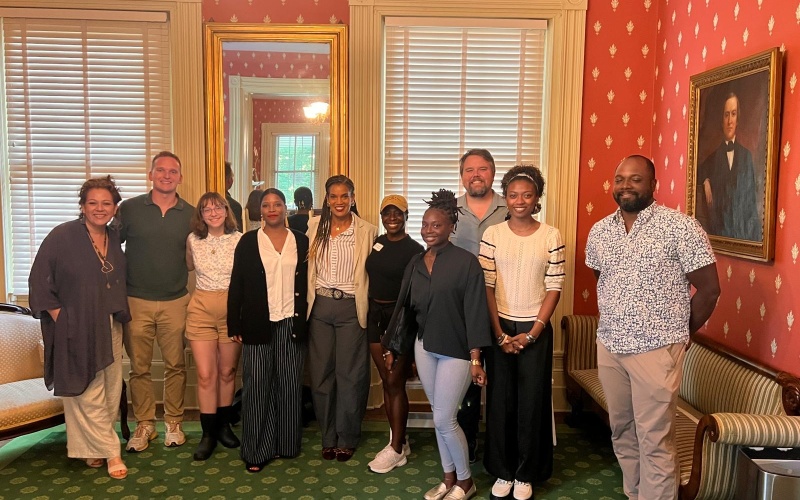
This past July our staff received four members of The Descendent’s Project working to open Woodland Plantation Museum and Cultural Center just outside of New Orleans in St. John’s Parish, LA. They came to learn just how intertwined the story of Frankfort is with the story of many localities down river. After three days of touring, learning and camaraderie I can confidently say we will be working together in the future. In the world of House Museums this is a special find. But just how did it come to be?
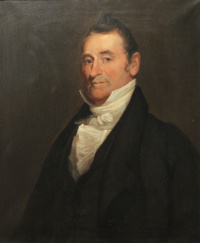
James Brown came to Kentucky shortly after his brother John to start a law career and help John hold down his legal practice while he served in Congress. In 1792 James became Kentucky’s first Secretary of State. In 1803, in recognition of his service, then Pres. Jefferson appointed James Secretary of the newly acquired Louisiana Territory. He uprooted to New Orleans and promptly bought a major sugar plantation about 20 upriver. Like many plantation owners he was absentee, preferring to live in the city. What he didn’t know was that many of the enslaved men and women of his estate recently had come from Haiti and its revolution.
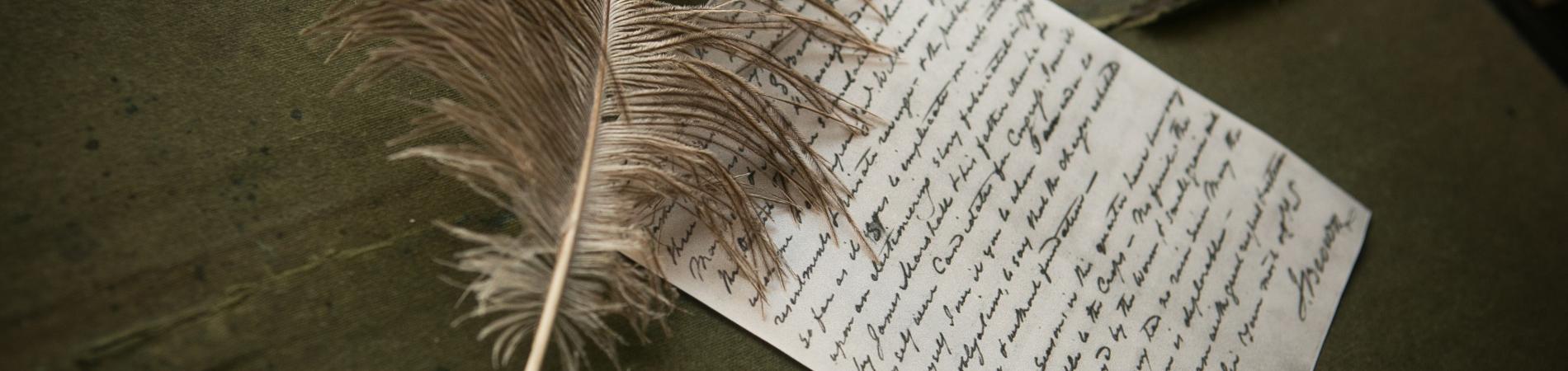
On January 8, 1811 what would be America’s largest slave revolt began just a few miles away. You can (and should) read more about the German Coast Uprising here. But for us at Liberty Hall, finding a historic site that tells this story brings new life to the world of the Browns outside of the Hall. There are even two letters (transcriptions) of the Browns in Kentucky mentioning the uprising and their fears and assessments of the situation. James Brown for his part took part in the tribunals afterwards and would be haunted by the event for the rest of his life. Although it would not deter his commitment to enslavement and the riches it brought him.
These types of stories are integral to the way we interpret the history of LHHS. My personal motto in recent months has been ‘We have to take the Hall out of the house,’ meaning that we cannot fully understand the complex, nuanced nature of Liberty Hall’s many generations unless we investigate their lives outside of as well as of within the homes themselves. When we look at the interpretation locally, regionally, and nationally we find the Browns are intertwined into almost every facet of the American story. Woodland is not the first, or last, historic site we share stories with. We look forward to growing that relationship over time, and want to thank their staff; Amaya Cooper, Joy Banner, Nyla Williams, and Sultana Harris for their trust and resources in making this special visit to our community. We look forward to what the future will bring.